






Introduction
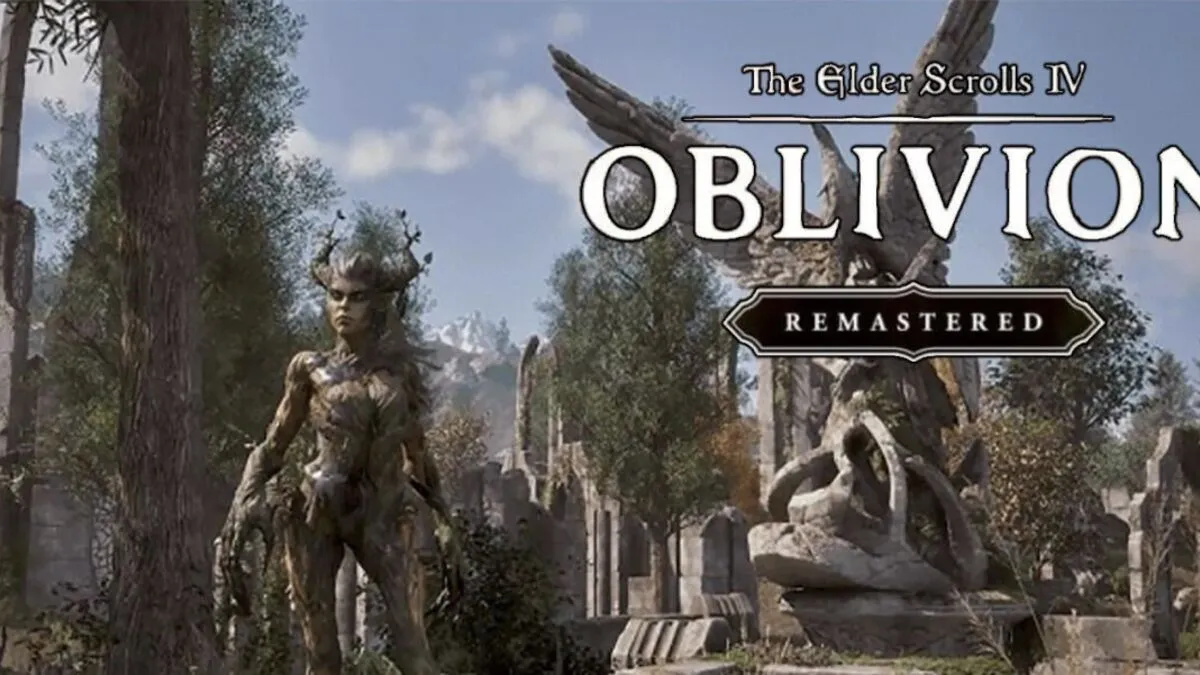
The Elder Scrolls IV: Oblivion is quietly experiencing a resurgence. Across gaming communities, content platforms, and modding ecosystems, the classic RPG is seeing renewed attention from both veteran players and a new generation of gamers.
This revival is not driven by nostalgia alone. It is the result of systemic rediscovery: players are re-engaging with Oblivion’s deep mechanics, complex progression systems, and role-playing structure in a modern gaming landscape that increasingly values open-ended design and player freedom.
This news feature focuses on one key development:
Oblivion’s transformation from “classic RPG” into a rediscovered systems-driven experience that fits modern gaming culture.
1. Rising Community Activity and Player Return Rates
Oblivion communities are growing again.
Current trends show:
- Increased forum activity
- Higher mod downloads
- More gameplay content creation
- Growing new-player communities
- Rising replay culture
This indicates more than nostalgia — it shows renewed engagement.
 2. Modding Ecosystem Expansion
The modding scene is a major driver of Oblivion’s revival.
Recent developments include:
- Stability mod growth
- Visual overhaul projects
- AI behavior improvements
- Combat rebalancing mods
- Quality-of-life expansions
Modding is turning Oblivion into a modernized experience.
3. System-Based Gameplay Is Gaining New Appreciation
Players are rediscovering Oblivion’s hidden mechanics.
Focus areas include:
- Level scaling systems
- Attribute progression
- Skill-based leveling
- Enemy evolution
- World balance logic
Modern players are engaging with Oblivion as a systems RPG, not just a story RPG.
4. Content Creators Are Reframing Oblivion’s Identity
Oblivion content is changing tone.
New creator trends:
- System analysis videos
- Build guides
- Mechanics breakdowns
- Challenge runs
- Roleplay-focused content
Oblivion is now presented as a strategic RPG platform, not just a classic game.
5. Role-Playing Structure Fits Modern Sandbox Trends
Modern gaming favors open systems.
Oblivion offers:
- Non-linear progression
- Player-driven identity
- Moral freedom
- Build diversity
- Narrative flexibility
These design elements align with current sandbox gaming demand.
6. Difficulty Scaling Is Being Re-Evaluated
Players are reinterpreting Oblivion’s difficulty system.
New perspectives include:
- Smart leveling strategies
- Controlled progression
- Balanced character builds
- Difficulty management
- Scaling awareness
What was once seen as “bad scaling” is now being treated as a strategic system.
7. Long-Term Playability Is Becoming a Core Appeal
Oblivion is being valued for longevity.
Key factors:
- Infinite replay value
- Build diversity
- Mod flexibility
- Roleplay depth
- Player-driven progression
The game supports long-term engagement models.
 8. Cultural Shift Toward Slow RPG Experiences
Fast games are losing dominance.
Gaming culture is shifting toward:
- Slow progression
- Immersive worlds
- Deep mechanics
- Long-form gameplay
- Narrative investment
Oblivion fits this shift perfectly.
9. Industry Recognition of Legacy RPG Design
Classic RPG design is being reassessed.
Oblivion represents:
- System complexity
- Player agency
- Open progression
- Design freedom
- Non-scripted gameplay
It’s becoming a reference point for RPG design analysis.
10. Long-Term Outlook for Oblivion’s Revival
Future indicators suggest continued growth.
Trends show:
- Expanding mod communities
- New player adoption
- Content ecosystem growth
- Legacy game relevance
- Long-term sustainability
Oblivion is evolving into a living legacy RPG platform.
Conclusion
The Elder Scrolls IV: Oblivion is no longer just a classic RPG remembered for nostalgia. It is being rediscovered as a deep systems-driven role-playing platform that aligns with modern gaming values: freedom, complexity, player control, and long-term engagement.
Its revival is driven not by marketing or remasters, but by community rediscovery, modding innovation, and cultural shifts in gaming preferences.
Oblivion’s second life proves a powerful truth in gaming history:
Good systems never age — they wait to be understood again.
And Oblivion is being understood all over again.