.webp)





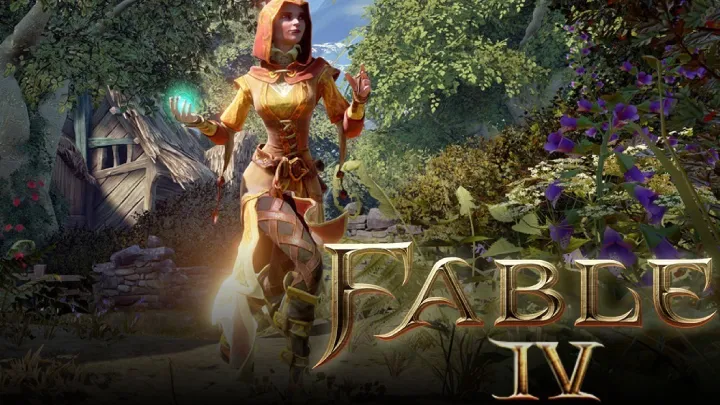
The anticipation surrounding Fable 4 has reached fever pitch as fans of the beloved action-RPG series eagerly await its return. With a legacy that began in 2004, the Fable franchise has been celebrated for its whimsical charm, rich storytelling, and the ability to influence the game world through player choices. As Playground Games takes the reins of the series, one significant issue emerges: the challenge of reimagining a beloved franchise while meeting both fan expectations and modern gaming standards. This article explores how Fable 4 navigates this complex terrain and the implications for its identity as a sequel.
Introduction: The Legacy of Fable
The original Fable gained notoriety for its innovative approach to choice-based gameplay, allowing players to shape their character's trajectory based on moral decisions. Players could be benevolent heroes or nefarious villains, and their choices had tangible repercussions on the game world, from physical appearances to quest outcomes.
Roots in Game Design
Fable was groundbreaking in integrating morality with gameplay mechanics. The game's colorful visuals and enchanting environments provided a stark contrast to its underlying themes of consequence and responsibility, crafting an experience that resonated with many players.
Cultural Impact and Expectations
Over the years, Fable has cultivated a loyal fan base, each installment contributing to an expansive lore. With the announcement of Fable 4, expectations are high, as players seek to experience the whimsical charm they love while also yearning for fresh innovations.
The Developer Shift: New Hands, New Vision
As Playground Games takes over from Lionhead Studios, the transition brings excitement but also apprehension about whether they can stay true to the franchise's roots while innovating.
The Strengths of Playground Games
Renowned for the Forza Horizon series, Playground Games has established a reputation for crafting expansive open-world environments filled with detail and interactivity. This skill set is crucial for Fable 4, which is expected to build on the franchise's tradition of immersion.
Expectations vs. Reality
However, players are concerned about how well Playground Games can handle the tonal and thematic nuances that define Fable. The lighthearted humor and moral complexity must be maintained, and many worry that the shift in developers will alter the essence of the game.
Reimagining the World of Albion
Fable 4 presents a unique opportunity to revisit Albion, offering both new and returning players a chance to explore familiar territory in novel ways. The challenge lies in crafting an engaging narrative and gameplay experience that respects its heritage while pushing towards modernity.
Character Development: Choices and Consequences
One of the defining features of the Fable series is its character development system, which is intricately linked to player choices. As Fable 4 approaches, the question remains: how are these character mechanics evolving?
Morality and Character Progression
In previous Fable titles, players could mold their character's morality through choices made during quests, affecting not just their alignment but also their physical appearance and abilities. This dual nature of progression was a hallmark of the series.
Evolving the Revolution
As Fable 4 develops its systems, there is a need to reevaluate how player choices influence characters and the game world. Will the morality system maintain its dual characteristics, or will it fall into more traditional RPG tropes?
The Balance Between Freedom and Direction
Creating a system that offers meaningful choices without overwhelming players is essential. Balancing freedom in decision-making with a coherent narrative is key for maintaining player engagement throughout their journey.
Environmental Design: Crafting an Immersive World
The world of Albion has always been vibrant and full of life. As Playground Games embarks on creating this world, the implementation of environmental design becomes crucial in shaping player experiences.
Visual Aesthetics and Atmosphere
Fable is well-known for its unique art style, blending cartoonish elements with detailed landscapes. This combination has helped create a magical and fantastical environment that players long to explore.
Interactivity and Engagement
The level of interactivity within the environment will significantly influence how players engage with the world. Players will expect activities that encourage exploration and discovery, from hidden treasures to engaging side quests.
Dynamic Environment and Storytelling
An environmentally driven narrative—one where tangible world changes occur based on player actions—will enrich the storytelling in Fable 4. This requires careful design to ensure meaningful interactions arise naturally from exploration.
Combat Systems: Innovations and Challenges
Combat in Fable has always been a mix of melee, ranged, and magic abilities. As the gameplay evolves, reconsidering combat systems and mechanics is essential for an engaging experience.
The Legacy of Combat Styles
The previous titles allowed players to mix and match combat styles, encouraging experimentation and strategic planning. Maintaining this aspect while introducing fresh mechanics is crucial.
Balancing Complexity and Accessibility
Modern games often aim for accessible combat systems that can cater to both casual and hardcore players. Finding ways to innovate while preserving what players love about the combat system is a significant challenge.
Engaging Combat Experience
Crafting a satisfying combat experience relies on the fluidity of mechanics, responsive controls, and the perceived impact of combat actions. If combat feels cumbersome or unbalanced, players may become disengaged.
Multiplayer and Community Engagement
As games have evolved, the expectation for multiplayer experiences has increased significantly. For Fable 4, the integration of cooperative or competitive elements could offer intriguing opportunities and challenges.
Cooperative Elements in Fable
For the first time in the franchise, introducing cooperative gameplay can deepen engagement. Players could explore the enchanting world of Albion together, completing quests and sharing experiences.
Potential Pitfalls
While cooperative gameplay has potential, it also raises concerns about balancing gameplay mechanics and maintaining the integrity of the narrative. Additionally, player coordination can be challenging, especially in quest-based content where narrative-driven choices play a role.
Community Interaction and Feedback
Engaging with the Fable community post-launch can help developers continue to refine gameplay mechanics, quests, and character builds. Open communication and responsiveness to player feedback are vital for maintaining a thriving player base.
Narrative Continuity: Maintaining the Fable Charm
One of the most important aspects of Fable 4 is how it manages continuity in its storytelling. Fans have come to expect clever writing, humor, and meaningful moral choices.
Balancing Humor and Serious Themes
The comedic elements of Fable have always been a key part of its identity. Maintaining this sense of humor while addressing deeper themes such as responsibility and consequence is a balancing act that developers must navigate.
Character-driven Dialogue
Well-written dialogue can bring characters to life, adding depth to their personalities and motivations. This element is essential for crafting a narrative that resonates with players emotionally.
Preserving Legacy While Innovating
While it's important to evolve the storytelling approach, preserving the essence of what made the Fable series enjoyable will be crucial. New themes should complement rather than overshadow the legacy of the franchise.
Technical Limitations: Engine and Performance
The transition to a new development studio introduces technical considerations that must be addressed for Fable 4 to meet player expectations.
Utilizing Modern Technology
With advancements in gaming technology, Fable 4 can incorporate stunning graphics, advanced AI, and expansive environments. However, with these capabilities come increased expectations from players.
Performance Optimization
Ensuring that the game runs smoothly on various platforms is paramount. Performance drops or technical issues can significantly affect player enjoyment and perception of quality.
Balancing Innovation with Stability
While pushing for cutting-edge graphics and immersive mechanics, developers must also ensure stability and performance. A well-optimized game creates a better overall experience and retains the player base.
Future Content: Expanding the World of Fable
Post-launch content will play a significant role in the longevity of Fable 4. New missions, environments, and character arcs can continue to enrich the world of Albion.
Seasonal Events and Updates
Introducing seasonal events or limited-time challenges can foster a sense of community and urgency, encouraging players to engage with the game continuously.
Community-driven Content
Creating a platform for user-generated content could also extend the lifespan of the game. Allowing players to craft their own quests, dialogues, or even characters can enhance player investment in the world of Fable.
Building a Lasting Legacy
By addressing the necessary challenges of balancing gameplay depth with accessibility, Fable 4 has the opportunity to make a lasting mark in the gaming landscape while paying homage to its roots.
Conclusion
The upcoming Fable 4 is both an opportunity and a challenge for Playground Games as they strive to honor the beloved franchise while introducing modern innovations. Balancing character diversity, narrative depth, and gameplay mechanics will be crucial in meeting the high expectations set by fans. By focusing on engagement and community feedback, as well as keeping the charm and humor of earlier installments alive, developers can create an experience that resonates with a wide audience. As the game transitions toward its launch, the spotlight remains on how effectively it can meld tradition with innovation, ensuring Fable 4 is a worthy successor in an iconic series.