.webp)







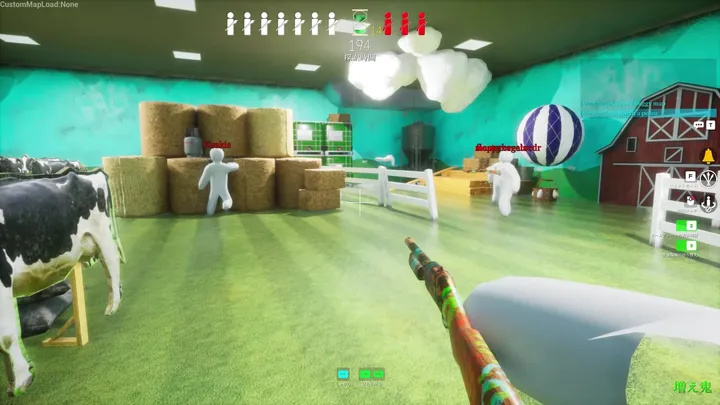
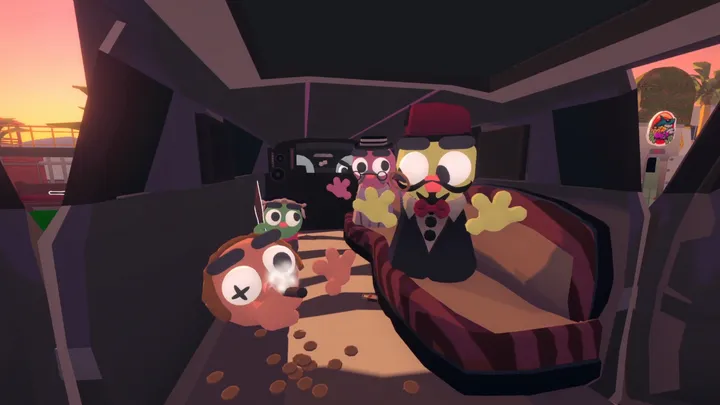
Gamble With Your Friends is designed as a chaotic, laughter-driven multiplayer experience where players wager in-game currency across a variety of mini-games. Built around unpredictability, risk-taking, and social interaction, the game thrives on moments of surprise, betrayal, and high-stakes tension among friends.
At its best, the game creates unforgettable experiences: last-second wins, dramatic losses, and shared reactions that define party gaming. However, beneath this entertaining surface lies a structural issue that becomes increasingly visible over time: the gradual breakdown of social balance due to compounding advantage and emotional volatility.
Unlike traditional competitive games where skill or mechanics dominate, Gamble With Your Friends operates in a social space. This means its long-term success depends not only on gameplay systems but also on how those systems affect relationships between players. When imbalance or frustration emerges, it does not just impact gameplay—it affects the entire social dynamic.
This article explores a specific issue: how compounding advantage and loss streaks destabilize the social experience, turning a fun party game into a source of tension, disengagement, and emotional imbalance.
1. The Core Loop: Risk, Reward, Repeat
The gameplay loop revolves around betting, playing mini-games, and winning or losing currency.
Players enter rounds, place wagers, and compete in short challenges that determine outcomes.
H3: Designed for Excitement
The system encourages:
- High-risk bets
- Fast outcomes
- Frequent swings in fortune
H4: Social Energy
Because results are immediate, reactions are shared instantly—laughter, shock, and celebration.
At this stage, the game feels perfectly balanced as a party experience.
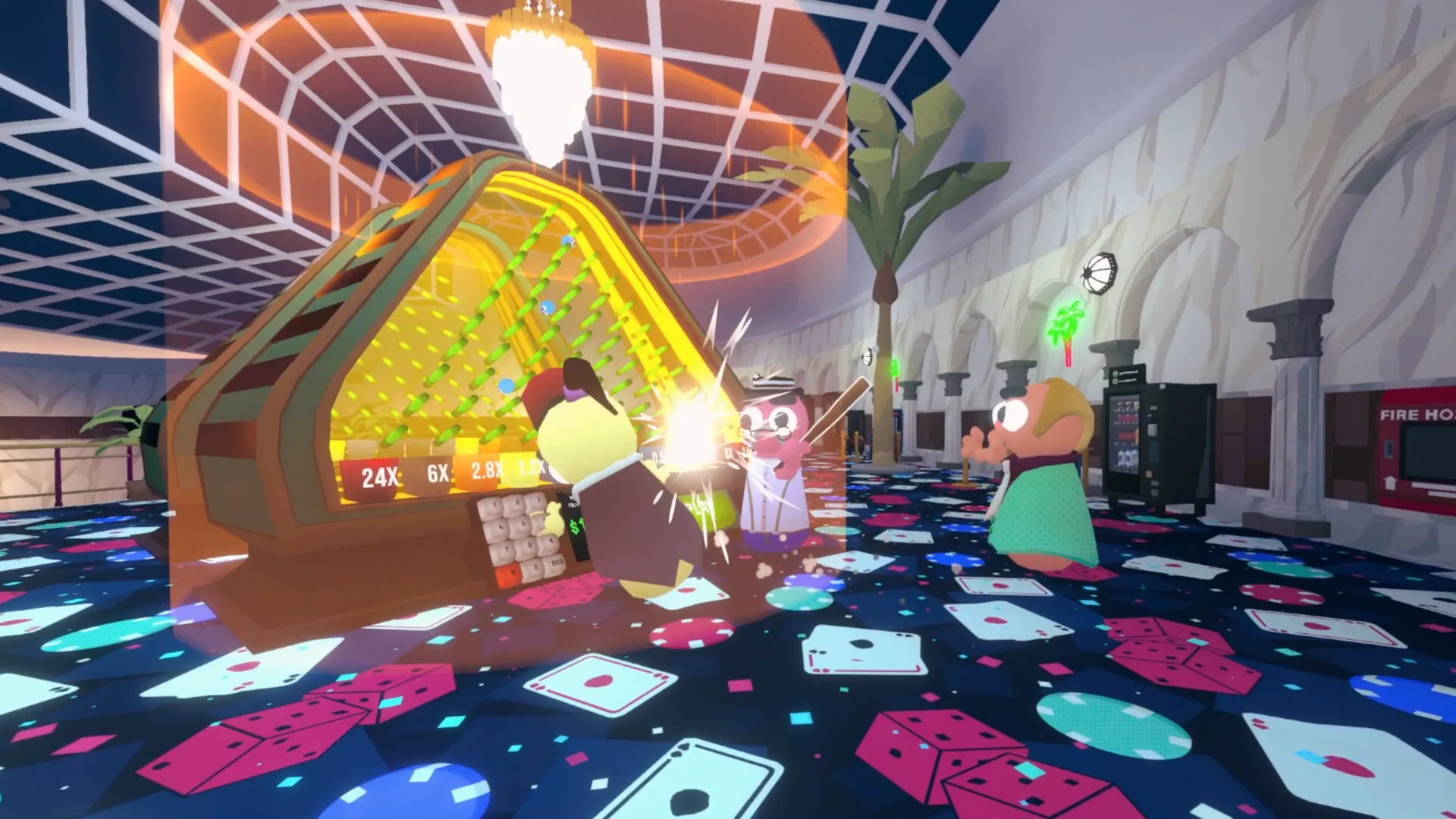
2. Early Game: Equal Footing
At the start of a session, all players typically begin with similar resources.
H3: Fair Competition
No one has a significant advantage. Outcomes feel:
- Random but fair
- Entertaining regardless of result
H4: Emotional Safety
Losses are small, and wins are exciting but not overwhelming.
Players remain engaged because everyone feels included.
3. The Emergence of Winning Streaks
As rounds progress, some players inevitably begin to accumulate more currency.
H3: Positive Feedback Loop
Winning enables:
- Larger bets
- Greater rewards
- Increased influence in high-stakes rounds
H4: Momentum Effect
Players on winning streaks gain confidence, while others begin to feel pressure.
This creates the first imbalance—not mechanical, but emotional.
4. The Losing Player Experience
While winners gain momentum, losing players face a very different trajectory.
H3: Resource Depletion
Repeated losses lead to:
- Reduced betting power
- Limited participation in high-stakes rounds
H4: Emotional Impact
Players may feel:
- Frustration
- Embarrassment
- Disengagement
The gap between players begins to widen socially, not just numerically.

5. Compounding Advantage Mechanics
The game’s structure often allows winners to leverage their position further.
H3: High-Stakes Control
Players with more currency can:
- Dominate betting rounds
- Intimidate opponents
- Control pacing
H4: List – Effects of Compounding Advantage
- Winners play more aggressively
- Losers play more cautiously
- Risk-taking becomes asymmetric
- Game tension shifts toward inevitability
The system reinforces inequality.
6. Social Dynamics Shift
As imbalance grows, the tone of the session begins to change.
H3: From Fun to Competition
Players may shift from playful interaction to:
- Targeting the leader
- Forming temporary alliances
- Engaging in verbal pressure
H4: Breakdown of Casual Atmosphere
The original party vibe weakens as:
- Stakes feel more serious
- Outcomes feel less fair
- Players become emotionally invested
The game transitions from lighthearted to tense.
7. The Role of Randomness
Randomness is central to Gamble With Your Friends, but it has complex effects.
H3: Double-Edged Design
Random outcomes can:
- Create exciting comebacks
- Produce unfair streaks
H4: Perception vs Reality
Even if randomness is statistically fair, players experiencing repeated losses may perceive the system as biased.
This perception amplifies frustration.
8. Late-Game Polarization
Toward the end of a session, player states often become highly polarized.
H3: Dominant Leaders
One or two players may control most of the currency.
H4: Disengaged Participants
Others may:
- Have minimal resources
- Take low-impact turns
- Lose interest in outcomes
List – Signs of Polarization
- Unequal betting participation
- Reduced interaction from losing players
- Predictable outcomes
- Decreased overall excitement
The session loses its balance.
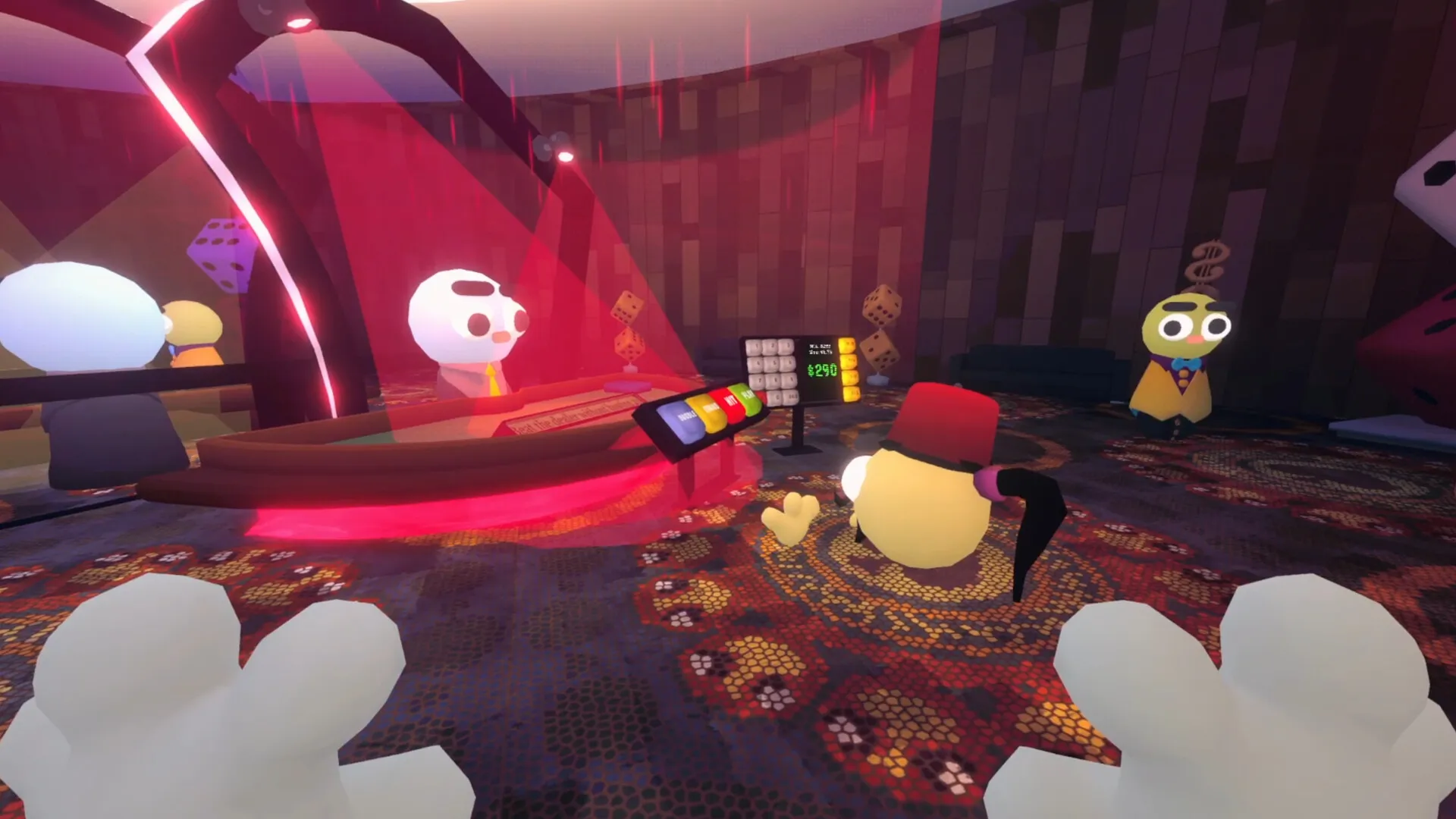
9. Player Coping Strategies
Players adapt to imbalance in different ways.
H3: Behavioral Adjustments
Some players may:
- Take reckless risks to recover
- Withdraw from meaningful participation
- Focus on humor instead of competition
H4: Social Consequences
These adaptations can lead to:
- Chaotic gameplay
- Reduced strategic depth
- Fragmented group interaction
The shared experience becomes inconsistent.
10. The Core Design Challenge
Gamble With Your Friends must balance two competing goals:
- High-stakes excitement
- Sustained social engagement
H3: Strengths of the System
The game succeeds in:
- Creating memorable moments
- Encouraging interaction
- Delivering unpredictable outcomes
H4: Structural Weakness
However, it struggles with:
- Compounding advantage
- Player disengagement
- Emotional imbalance
List – Potential Solutions
- Rubber-banding mechanics for losing players
- Betting caps to limit runaway leaders
- Comeback bonuses or safety nets
- Dynamic mini-games favoring underdogs
These adjustments could maintain excitement while preserving inclusivity.
Conclusion
Gamble With Your Friends captures the essence of party gaming: unpredictability, shared reactions, and emotional highs and lows. Its design creates moments of joy, tension, and surprise that define memorable multiplayer experiences.
However, as sessions progress, the accumulation of advantage and the emotional weight of repeated losses can destabilize the social environment. What begins as a fun, balanced experience may evolve into a polarized and less engaging session where some players dominate while others disengage.
The challenge for the game is not reducing risk, but managing its consequences. True success lies in ensuring that every player—regardless of their current standing—remains involved, invested, and entertained until the very end.
Because in a social game, the most important outcome is not who wins—but whether everyone wants to keep playing.