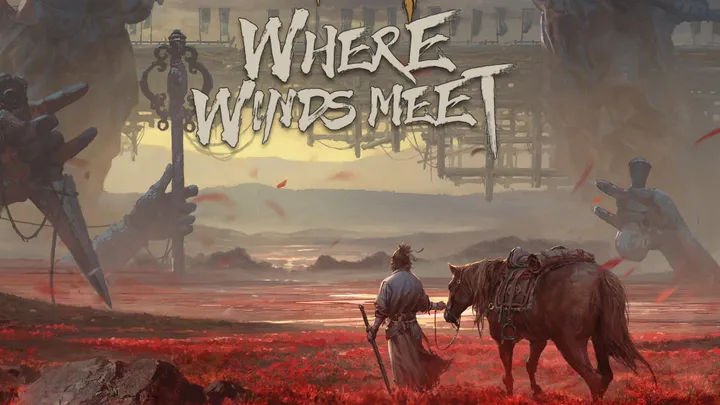
In the sprawling world of When Winds Meet, players often become lost in its deserts, dynastic ruins, and martial-arts duels. Yet beneath the swordplay and spectacle lies a quieter, more haunting narrative: a story about identity, political erasure, and the cost of surviving a collapsing dynasty. This article explores one specific thematic core—the tension between personal identity and political expectation in the era of chaos surrounding the late Tang dynasty. Instead of general commentary, this analysis dives into the symbolic architecture of the game, examining how characters, factions, and world-building quietly communicate a nation’s fractured soul.

The Broken Dynasty as a Mirror of Broken Selves
The world of When Winds Meet opens at a time when the Tang dynasty gasps for breath—its political power shattered, its rulers hollow. But this collapse is more than historical scenery; it is a metaphor for individuals living in a system that no longer protects, guides, or recognizes them. Every village, fort, and war-torn plain becomes a psychological landscape reflecting the fragmented identities of the characters who inhabit it.
Through ruined cities and the stories of displaced citizens, the game constructs an unspoken question: When a dynasty no longer defines you, who are you? Warriors, peasants, scholars, even assassins—all wander through a world where loyalty means survival, betrayal, or freedom depending on the moment. The identity crisis is not loud or dramatic; it is a slow erosion, seen in how characters cling to fading roles they no longer believe in.
The Physical Geography of Identity Loss
The deserts and abandoned fortresses function as externalized versions of internal collapse. Their emptiness is symbolic—not because they lack life, but because they lack meaning. Political structures have died, leaving only shells. Characters who roam these spaces often speak in half-memories, half-ideals, unsure whether they still belong to the world that shaped them.
Masks, Names, and the Game’s Obsession With Hidden Selves
One of the most striking creative decisions in When Winds Meet is its recurring theme of masks—literally and symbolically. Names change. Identities shift. Almost every faction requires its members to adopt an alias or disguise. Even the protagonist, unnamed and originless, becomes a reflection of this theme: a hero built from the blankness of anonymity.
In the shifting sands of political chaos, the mask becomes the only stable form of identity. Characters hide their true intentions not out of deception, but out of survival. The player’s increasing mastery of disguises and stealth systems reinforces this theme mechanically, transforming self-concealment into a practical necessity rather than an aesthetic choice.
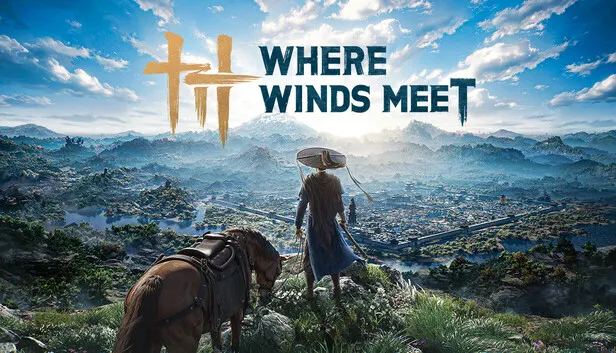
Masks Matter
- Masks represent protection from volatile political forces.
- They allow characters to rewrite their personal histories.
- They symbolize the Tang dynasty’s fractured social hierarchy.
These masks create characters who are both deeply expressive and deeply unknowable—a contradiction that mirrors the world’s instability.
The Martial Arts Clans as Ideological Systems
Rather than treating martial arts clans as simple gameplay factions, When Winds Meet uses them as philosophical lenses—each representing a different worldview about power and identity in a dying empire. Every technique, ritual, and architectural style reveals the clan’s deeper belief system.
Take the scholarly sects that romanticize the lost golden age of Tang culture: their martial arts flow gently but hide a desperate clinging to tradition. In contrast, nomadic warrior groups embrace chaos and impermanence, their fighting styles unpredictable, rejecting any fixed identity. Through these systems, the game crafts an ideological map of the era’s conflicting values.
Ideology Embedded in Movement
Combat isn’t just technique; it’s worldview translated into motion. The fluid, sweeping attacks of Confucian-inspired clans express longing for harmony, while the sharp, violent bursts of rebel factions reflect resistance against the decayed state. Thus, every duel becomes a philosophical debate without words.
The Ritual of Swordplay as Identity Expression
Swordplay in When Winds Meet isn’t merely a mechanic— it is a ritual of self-expression. Characters often articulate their beliefs through combat rather than conversation. The battlefield becomes an arena where suppressed identities surface, revealing truths characters cannot speak aloud.
In moments when storylines intersect through duels, each swing expresses grief, loyalty, or conflicted duty. Many characters would rather die than reveal their inner turmoil verbally, suggesting a culture where emotion is masked by formality and action.
The Aesthetic of Movement
The game’s animation philosophy reinforces this idea. Stances shift based on emotional and narrative context. After betrayal, a character’s movements grow sharp and distrustful; after epiphany, they soften. These subtle adjustments in movement reveal more than dialogue ever could.
Women of the Winds: The Hidden Architects of Survival
While martial-arts epics often center men, When Winds Meet quietly foregrounds women as the emotional, political, and strategic stabilizers of the narrative world. They are scholars, healers, spies, and sometimes the only characters who insist on honesty in a world built on masks.
Their identity struggles often differ from the male warriors around them. Instead of seeking glory or revenge, many women characters question the nature of legacy itself: “Is survival enough, or must we be remembered?” Through their stories, the game critiques patriarchal expectations embedded in classical Wuxia storytelling.
The Weight of Compassion
Women characters often make the most painful decisions—not because they are weaker, but because they carry the emotional burden of preserving families, clans, or ideologies. Their choices become the backbone of the world’s moral compass.
The Player as a Mirror: The Identity You Build Reflects the Era
The protagonist’s lack of fixed identity is not an oversight but a deliberate reflection of the political climate. A person with no roots is both dangerous and necessary. The player chooses alliances, skills, moral paths—but these choices do not form an identity in a stable world; they create one momentarily, only to reshape it once the political tides shift again.
This fluidity forces the player to embody the emotional and ideological instability the characters endure. You are free—but freedom is fragile. Your choices echo the questions every character asks: “Who am I in a world where the past is gone and the future is uncertain?”
Folklore and Ghosts as Echoes of Lost Identities
Throughout the game, spirits, illusions, and folklore beings wander the land—not as jump-scare monsters, but as symbolic remnants of forgotten identities. They embody unresolved narratives, abandoned traditions, or people erased by war.
These supernatural presences ask the player to confront history not as a sequence of events, but as a living emotional residue. A ghost isn’t frightening because it is unreal; it is frightening because it remembers.
Folklore as Social Memory
- Folklore preserves identities the collapsing dynasty failed to protect.
- Spirits embody emotional wounds passed through generations.
- The supernatural allows characters to vocalize what politeness forbids.
Architecture as a Silent Political Archive
The physical structures across the world—shrines, ruined palaces, sunken villages—quietly document the political collapse. Architecture in When Winds Meet functions like an archaeological diary of identity: what was built, what was destroyed, and what was abandoned.
Every broken gate suggests betrayal. Every fallen tower signals that time has rejected the dynasty it once glorified. Even small details like chipped murals or worn calligraphy convey a story of forgetting. The land itself is actively erasing identity even as its inhabitants desperately cling to it.
The Moral Ambiguity of Wulin: When Virtue Is Muted
In a chaotic empire, morality becomes negotiable. The game portrays a world where virtue is a luxury and survival the only reliable compass. Heroes behave like villains; villains act with unexpected integrity. This moral ambiguity reflects the broader identity crisis of the era.
Characters who cling to idealism suffer. Those who abandon morality entirely lose themselves. The game challenges the notion that righteousness is sustainable in a decaying political system. Instead, it asks whether identity is defined by moral choices or by the consequences of those choices.
Situational Ethics as Survival
Many quests offer no “right” answer. Instead of shaping identity through heroic acts, the player shapes identity through the sacrifices they choose to live with.
The Ending: Identity Reconstructed From Ruins
The final chapters of the narrative suggest not resolution, but reconstruction. Identity is neither restored nor validated—it is remade. The world remains wounded. Characters still carry trauma. But from the ruins, a fragile new form of selfhood emerges: not tied to dynasty, clan, or tradition, but to personal truth.
This ending does not offer triumph. It offers clarity. The world will rebuild, but not as it was. Identity will persist, but transformed by suffering and understanding. The protagonist, once a blank slate, becomes a symbol of how individuals in times of collapse forge meaning not from inherited roles—but from chosen ones.
The heart of When Winds Meet is not its combat, world size, or visual spectacle. Its deepest narrative achievement is its exploration of identity in a dying dynasty: masks that hide truth, clans that embody ideology, ghosts that hold memory, and architecture that silently records collapse. Through these systems, the game constructs a universe where identity is fluid, fragile, and continuously reshaped by political chaos. It is not a story of heroes—it is a story of survival, reinvention, and the quiet rebellion of individuals refusing to be erased by history.