Taguan — Why This Hot Game Thrives on Unpredictable Survival
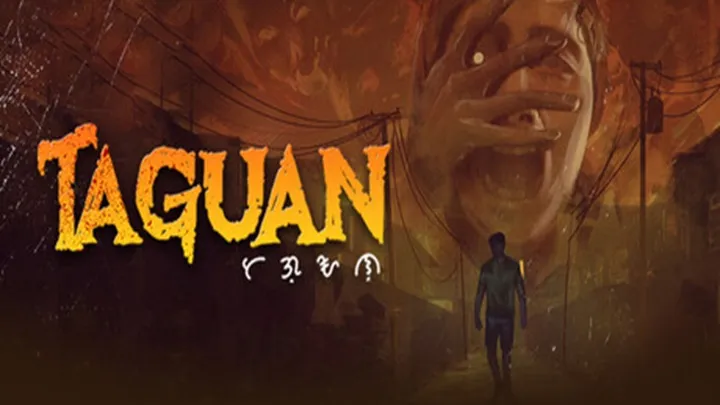
Taguan is an atmospheric survival hot game built around tension, uncertainty, and constant change. Unlike games that reward memorization or fixed strategies, Taguan forces players to react to an unpredictable world where danger, resources, and outcomes shift without warning. Learning how to adapt is not optional—it is the core of survival.
At its heart, Taguan is about decision-making under pressure. Every run tells a different story, and no two experiences are the same. This article explores the full journey of the game, from first contact to long-term mastery, explaining why Taguan stands out as an unpredictable hot game that keeps players constantly alert.
1. Introduction to Taguan and Its Unpredictable Nature
Taguan introduces players to a hostile environment where rules feel deliberately unstable. The world reacts to player actions in subtle and unexpected ways.
This design makes Taguan a hot game among fans of survival and psychological tension. Learning how to read patterns that may suddenly break is part of the challenge.
The game does not aim to comfort players. Instead, it creates suspense through uncertainty, making every decision feel risky and meaningful.

2. How to Begin Surviving in Taguan
Starting Taguan can feel overwhelming. Players are given minimal guidance and limited resources, reinforcing the game’s unpredictable identity.
Learning how to observe before acting is critical in the early stages. Rushing decisions often leads to irreversible consequences.
Beginner survival tips:
- Move slowly and observe the environment
- Conserve resources early
- Avoid unnecessary risks
Early patience increases long-term survival chances.
3. Core Gameplay Mechanics Explained
The gameplay mechanics of Taguan focus on survival, exploration, and consequence. Actions ripple forward in unexpected ways.
Understanding how to balance exploration with safety is essential. Rewards often hide behind danger, but danger rarely announces itself.
Core mechanics include:
- Dynamic environments
- Resource scarcity
- Reactive systems
These systems ensure that no strategy works forever.

4. The World Design and Environmental Uncertainty
The world of Taguan is deliberately unstable. Weather, terrain, and hazards shift unpredictably.
Players must learn how to adapt routes and plans constantly. Familiar paths may become lethal without warning.
Environmental challenges include:
- Sudden environmental hazards
- Shifting safe zones
- Randomized world events
The environment itself becomes an adversary.
5. Resource Management and Risk Assessment
Resources in Taguan are limited and unreliable. Supplies may spoil, disappear, or become inaccessible.
Knowing how to judge when to spend or save resources is a critical skill. Hoarding can be as dangerous as waste.
Resource strategies:
- Prioritize essentials
- Plan for sudden loss
- Avoid overreliance on one supply
Scarcity drives tension.

6. Why Taguan Is a Hot Game
Taguan has earned its reputation as a hot game because it refuses predictability. Players cannot rely on guides or repetition.
Learning how to think adaptively rather than optimally is what makes the game compelling.
Reasons for popularity:
- High replay value
- Constant tension
- Emergent storytelling
Every failure feels unique.
7. How to Handle Threats and Sudden Danger
Threats in Taguan rarely announce themselves clearly. Danger often emerges without warning.
Players must learn how to recognize subtle signs of impending risk. Awareness is more valuable than strength.
Threat management tips:
- Watch environmental cues
- Avoid overconfidence
- Retreat early when unsure
Survival favors caution.

8. Player Choice, Consequences, and Chaos
Every decision in Taguan has consequences, but outcomes are rarely clear. Even good intentions can lead to disaster.
Learning how to accept uncertainty helps players cope with loss. Control is limited by design.
Decision dynamics:
- Short-term gain vs long-term risk
- Moral ambiguity
- Unclear cause-and-effect
Chaos fuels immersion.
9. Advanced Adaptation and Mastery
Advanced players of Taguan stop seeking control and start embracing unpredictability.
Learning how to stay flexible rather than perfect leads to longer survival runs.
Advanced strategies:
- Prepare multiple backup plans
- Travel light to stay mobile
- Adapt goals based on conditions
Mastery means resilience.

10. Long-Term Replay Value and Player Stories
The replay value of Taguan comes from its unpredictable systems. Each run generates new stories organically.
Players learn how to value the journey rather than victory. Survival itself becomes the narrative.
Reasons for longevity:
- No fixed solutions
- Player-driven stories
- Constant surprise
Every session feels fresh.
Conclusion: Why Taguan Embraces the Unpredictable
Taguan stands out as a hot game because it challenges players to survive without certainty. By learning how to adapt, observe, and accept chaos, players experience a survival game where tension never fades. Its unpredictable nature is not a flaw—it is the soul of the experience.