


The Early Wave of Renewed Interest
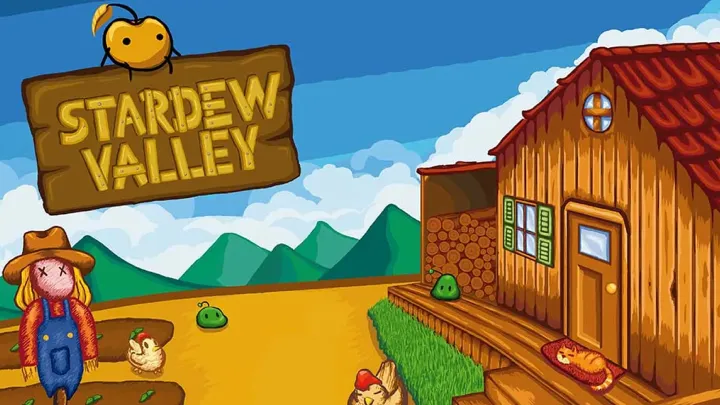
Stardew Valley recently regained massive attention due to the ongoing rollout of updates, renewed community challenges, and expanding mod support. Many players returning after years away discovered that the game is almost entirely different from what they remember. Even early gameplay—once considered simple—is now heavily influenced by new balancing decisions and quality-of-life improvements.

For newcomers, this revived interest also means that early-game guides, strategies, and optimal paths now look completely different. What used to be a slow and relaxed opening phase is now filled with opportunities unlocked by recent updates, such as new early-forage items, changed crop balance, and reworked festival rewards. This early wave of changes sets the stage for a much more dynamic start.
The Arrival of Update-Based Quality Improvements
One of the biggest “new” aspects of Stardew Valley is not just new content but new quality-of-life updates that drastically change how players plan their farms. Tasks that were once tedious—like placing machines, organizing chests, or navigating menus—are now faster and more intuitive. While returning players may take time to adapt, these improvements fundamentally reshape the game’s tempo.
For example, chest organization now supports sorting functions that make large storage systems significantly more manageable. Additionally, new tool interactions and smarter placement rules allow players to spend more time building and less time correcting mistakes. These upgrades may not be as flashy as new locations or items, but they heavily influence daily routines, making the game more efficient and modernized.
The Expansion of Late-Game Content
A major area of “new” content revolves around the late-game phase, which has grown dramatically with recent updates. Players who reached perfection years ago now find additional steps, additional challenges, and new reward incentives waiting for them. Entire systems were expanded to ensure long-term players still have meaningful goals to pursue.
The perfection system itself received adjustments that make it more flexible while still difficult. New quests, new collectibles, and new mastery tasks give veteran farmers deeper layers to complete. Some updates even introduced new enemies, new lore fragments, and new interactable objects scattered across the world, ensuring there is always something else to chase long after the credits roll.
New Character Interactions and Story Changes
One of the most meaningful “new” categories in Stardew Valley lies in the rewriting and expansion of relationships. Characters now behave more dynamically, with additional dialogues, new reactions, and situational interactions that flesh out their personalities. These updates make Pelican Town feel more alive and more reflective of player choices.
New heart events have been added for selected characters, providing emotional moments that deepen their stories. Even minor characters receive new lines of dialogue during festivals, seasonal transitions, and gameplay milestones. The town feels richer, more reactive, and more personal—a major improvement for a game built on community bonds and narrative warmth.
The New Farm Type Revamps and Playstyle Shifts
Modern Stardew Valley offers significantly more playstyle variety due to updates that reworked farm types and added new layouts. These changes influence how players approach the game, what they prioritize, and how they specialize their farm.
Some farm types now include updated terrain features, new forage opportunities, or better access to specific skill-beneficial areas. For example: forest-style farms have received additional forage spawn changes, while beach and hilltop farms now support new structures or improved usability. These new adjustments make each farm type feel more unique and strategically impactful, encouraging players to experiment with builds that were previously considered niche.
New Items, Tools, and Crafting Options
Recent updates also expanded Stardew Valley’s item and crafting system. Many of these new additions offer deeper synergy with the game’s core mechanics, such as crop processing, animal production, and resource refinement. Some items introduce entirely new automation loops or efficiency paths that were impossible in older versions.
New furniture, wallpapers, artisan machines, seasonal decorations, and farm-mounted equipment all contribute to personalization and strategic exploration. Crafting now plays a more meaningful role because newly introduced machines and items integrate with existing systems, allowing for advanced layouts, compact farm designs, and late-game optimization.
New Enemies, Combat Additions, and Dungeon Adjustments
The game’s combat component also received significant changes, making dungeons and mines feel different from earlier versions. New enemies introduce new attack patterns and environmental interactions that require players to adapt and rethink traditional strategies.
Deep within expanded dungeon layers, players can discover new loot tables, updated rewards, and dynamic floor generation mechanics that make each run unpredictable. Combat balancing updates also ensure that weapon types feel more distinct and viable. These additions encourage players to revisit combat-heavy areas even after completing the mine and Skull Cavern challenges in prior versions.
The Rise of Advanced Mod Integration
One of the biggest “new” factors in the community is the explosive growth of mod support and integration. Although mods existed for years, recent updates made Stardew Valley more mod-friendly, leading to a wave of high-quality expansions, visual overhauls, and new gameplay systems.
Examples of modern mod expansions:
- Fully new NPCs with complex storylines
- Major farm layout redesigns
- Profession reworks and new skill trees
- New festivals created by the community
- Full gameplay overhauls resembling expansions
With better compatibility and stable mod loaders, the modern modding scene is a central part of the “new era” of Stardew Valley. Many players treat mods as an official extension of the game’s ecosystem.

New Community Challenges and Global Trend Resurgence
Finally, one of the most exciting “new” aspects comes from the community itself. Stardew Valley has recently seen a global resurgence thanks to viral gameplay challenges, multiplayer expansions, and content creators pushing new styles of play. These trends introduce fresh objectives and meta strategies that didn’t exist during the game’s original peak.
Recent community-led challenge formats include:
- One-season completion runs
- No-farming minimalist challenges
- Community Center speed-completion races
- Multiplayer profit-maximization strategies
- One-life hardcore farm modes
These trends have redefined how players see Stardew Valley, turning what was once a slow-paced farming RPG into a strategic sandbox with endless replayability.