.webp)


The Past Within is a unique cooperative puzzle game that challenges two players to communicate across different timelines. One player explores the Past, while the other navigates the Future. Progress is only possible when both players share information accurately and understand how their worlds are connected. This game is not about fast reactions—it is about observation, logic, and collaboration.
This blog focuses on how to play The Past Within effectively, helping players understand its structure, solve puzzles efficiently, and enjoy the story without unnecessary frustration.
Understanding the Two-Timeline Gameplay

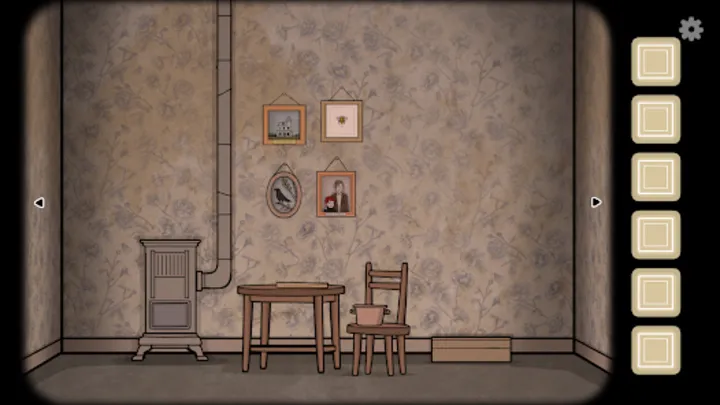
The core mechanic of The Past Within is asymmetry. Each player sees a completely different environment, but both environments are linked by shared symbols, mechanisms, and story elements.
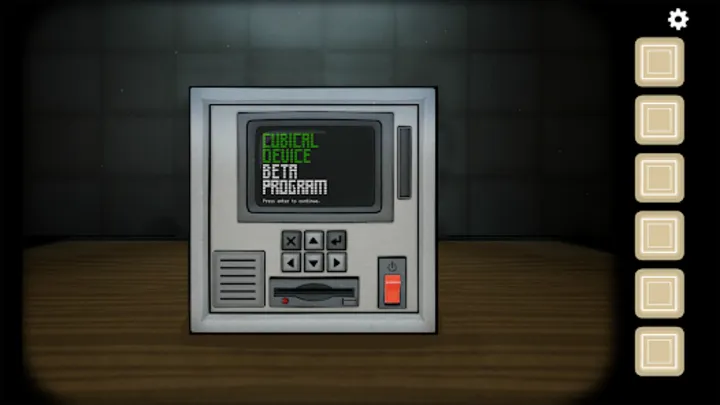
The Past usually involves physical objects, machinery, symbols, and handwritten notes. The Future focuses more on abstract interfaces, codes, and altered versions of past decisions. Neither perspective is complete on its own.
Winning depends on accepting that:
- You never have all the information
- Your partner’s observations are essential
- Clear communication matters more than speed
Communication Is theE Most Important Skill
The game is designed to test how well players explain what they see.
How to Communicate Effectively
- Describe shapes, symbols, and colors precisely
- Avoid assumptions—say exactly what you observe
- Use consistent terminology
- Confirm details before acting
Even small misunderstandings can lead to incorrect solutions. Slow, careful explanations are always better than rushed guesses.
Observe Before You Interact
One of the most common mistakes is interacting with objects too quickly.
Smart Observation Tips
- Scan the entire room before touching anything
- Note recurring symbols or patterns
- Look for changes after your partner performs an action
- Pay attention to sound cues
Often, puzzles give subtle hints long before they require action.
Understand Cause and Effect Across Time
Many puzzles rely on changes made in the Past affecting the Future.
Key Principles
- Actions in the Past often unlock or alter Future mechanisms
- Some changes are permanent
- Not every object reacts immediately
If something doesn’t change right away, communicate and wait. Timing matters.
Break Down Complex Puzzles Into Steps
Some puzzles feel overwhelming because they involve multiple layers.
A Good Puzzle-Solving Process
- Identify what each player can interact with
- Share all visible clues
- Match symbols or numbers across timelines
- Test one action at a time
Avoid trying multiple changes at once. Controlled testing prevents confusion.
Use Notes and Memory
The game does not always record clues for you.
Helpful Habits
- Write down symbols and sequences
- Sketch rough diagrams if needed
- Repeat clues aloud to confirm accuracy
Good note-taking makes later puzzles much easier.
Pay Attention to Narrative Details
The story is woven directly into puzzle design.
Why Story Matters
- Lore often explains puzzle logic
- Characters provide indirect hints
- Emotional themes connect timelines
Understanding the narrative helps players predict solutions instead of guessing.
Stay Patient When You Get Stuck
Being stuck is part of the experience.
What To Do When Progress Stops
- Recheck earlier rooms
- Ask your partner to re-describe details
- Look for small environmental changes
- Take a short break to reset focus
Most solutions are simpler than they first appear.
Respect Each Role Equally
Neither the Past nor the Future player is more important.
Balanced Teamwork Tips
- Let both players speak fully
- Avoid dominating decisions
- Validate each other’s observations
The game works best when both players feel involved and respected.
Play With the Right Mindset
The Past Within is not about winning quickly—it’s about shared discovery.
Best Mindset
- Curious, not rushed
- Cooperative, not competitive
- Focused on understanding, not guessing
Approach the game like a conversation, not a challenge to rush through.
Conclusion
The Past Within is a deeply thoughtful cooperative puzzle game that rewards communication, patience, and trust between players. By observing carefully, sharing information clearly, and understanding how actions echo across timelines, players can unravel its mysteries and fully appreciate its emotional story.
Success comes not from individual skill, but from working together—across time.