Dinkum Tips & Guide: The Complete Survival and Town Building Handbook
Introduction
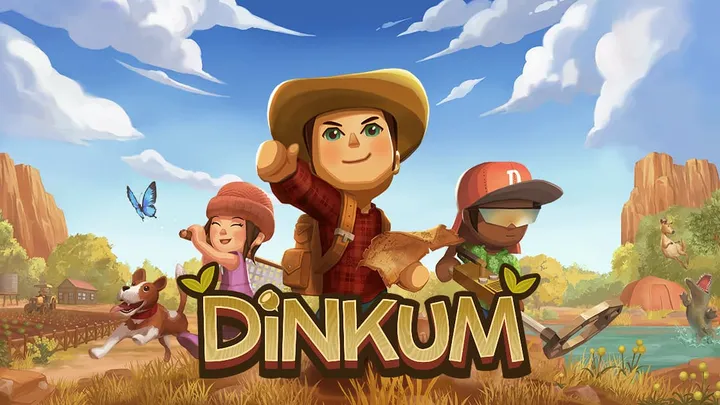
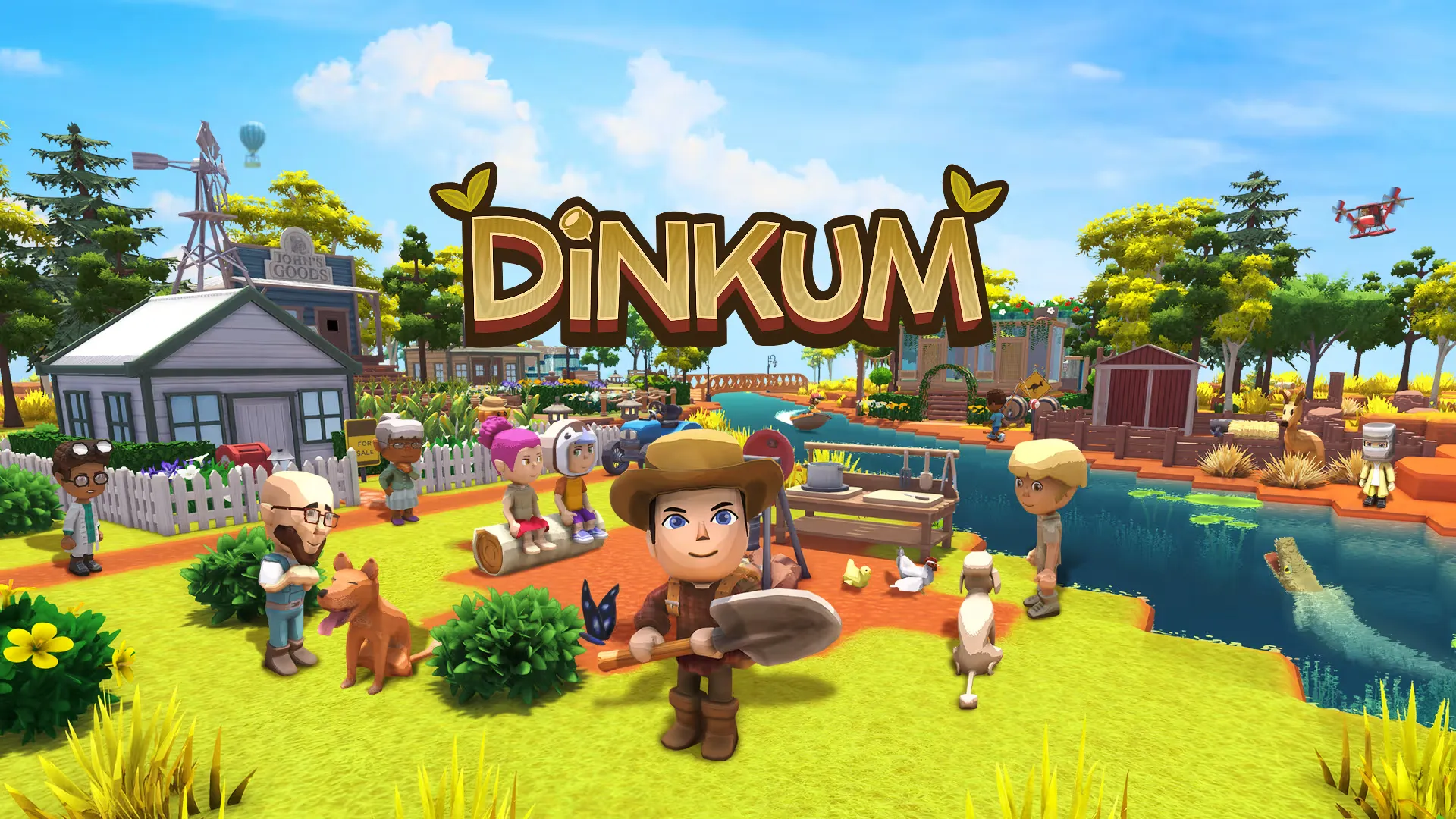
Dinkum is a relaxing life simulation and survival game set on a wild island inspired by the Australian outback. Players begin with almost nothing and gradually transform a remote wilderness into a thriving town filled with shops, farms, animals, visitors, and profitable industries. While the game may appear simple at first glance, Dinkum contains deep progression systems involving exploration, hunting, mining, fishing, farming, crafting, and town management.
Many beginners make slow progress because they focus on the wrong activities or spend valuable resources inefficiently. Understanding how the economy works, which licenses to unlock first, and how to prepare for seasonal challenges can dramatically improve your experience.
This guide covers everything from your first day on the island to advanced town optimization. Whether you want to become wealthy, build the perfect settlement, or simply survive more comfortably, these tips will help you achieve your goals faster and more efficiently.
1. Focus on Earning Permit Points Early
When you first arrive on the island, Permit Points are more valuable than money. They unlock licenses that provide access to new tools, vehicles, farming systems, and profitable activities.
Many new players become obsessed with earning Dinks while neglecting Permit Points. This creates progression bottlenecks later because important features remain locked.
The best strategy is to complete daily milestones and tasks consistently. Small achievements accumulate surprisingly quickly and provide a steady flow of points.
Best Early Sources of Permit Points
- Completing daily tasks
- Catching new fish
- Discovering insects
- Hunting animals
- Mining resources
- Reaching milestones
Licenses Worth Unlocking First
- Mining License
- Logging License
- Fishing License
- Metal Detecting License
- Farming License
Unlocking these early provides access to the most important money-making methods in the game.
2. Build a Reliable Income From the Start
Money is necessary for expanding your town, purchasing buildings, upgrading tools, and acquiring vehicles.
New players often sell everything immediately without understanding item values. While this provides quick cash, it can create shortages later when crafting becomes important.
A balanced approach works best. Sell common resources while keeping rare materials for future upgrades.
Early Money-Making Activities
- Fishing
- Bug catching
- Hunting
- Fruit gathering
- Metal detecting
Fishing is particularly profitable during the early game because fish can be sold for substantial amounts with minimal equipment investment.
Common Financial Mistakes
- Selling rare ores.
- Ignoring treasure hunting.
- Wasting money on decorations too early.
- Buying unnecessary tools.
Smart resource management leads to much faster progression.
3. Establish a Functional Base Layout
A well-organized town saves enormous amounts of time throughout the game.
Many beginners place buildings randomly, only to realize later that moving them costs time and resources.
Instead, plan for future growth from the beginning.
Areas to Reserve
- Residential district
- Commercial district
- Farming area
- Animal pens
- Storage section
- Crafting zone
Why Layout Matters
As your island grows, daily travel becomes a significant factor. Efficient placement of important structures reduces wasted movement and improves productivity.
Even a simple layout plan can save dozens of hours over a long playthrough.
4. Learn Mining as Soon as Possible
Mining is one of the most important activities in Dinkum.
Underground mines contain valuable ores, rare treasures, unique enemies, and progression materials that cannot be obtained elsewhere.
Many players delay mining because it initially appears dangerous. However, the rewards greatly outweigh the risks.
Essential Mining Supplies
- Pickaxe
- Food
- Weapons
- Torches
- Healing items
Valuable Mining Resources
- Copper Ore
- Tin Ore
- Iron Ore
- Opals
- Fossils
- Rare equipment
Mining eventually becomes one of the strongest sources of both wealth and progression.
5. Upgrade Your Tools Efficiently
Tool upgrades dramatically improve productivity.
A beginner pickaxe may require several hits to break a rock, while advanced tools can perform the same task much faster.
Many players spend money on cosmetics before improving their equipment. This slows every aspect of progression.
Upgrade Priority
- Pickaxe
- Axe
- Fishing Rod
- Shovel
- Weapons
Benefits of Better Tools
- Faster resource gathering
- Reduced stamina consumption
- Increased efficiency
- Better overall progression
Every upgraded tool pays for itself through increased productivity.
6. Master Hunting and Wildlife Management
The island is filled with wildlife ranging from harmless creatures to dangerous predators.
Understanding animal behavior helps both survival and profitability.
Some creatures provide valuable resources, while others can become serious threats if approached carelessly.
Dangerous Wildlife
- Crocodiles
- Cassowaries
- Bush Devils
Hunting Tips
Stay Mobile
Avoid standing still during fights.
Use Terrain
Water and obstacles can provide advantages.
Carry Food
Healing items can save you during unexpected encounters.
Successful hunters earn valuable materials while reducing risks around their settlements.
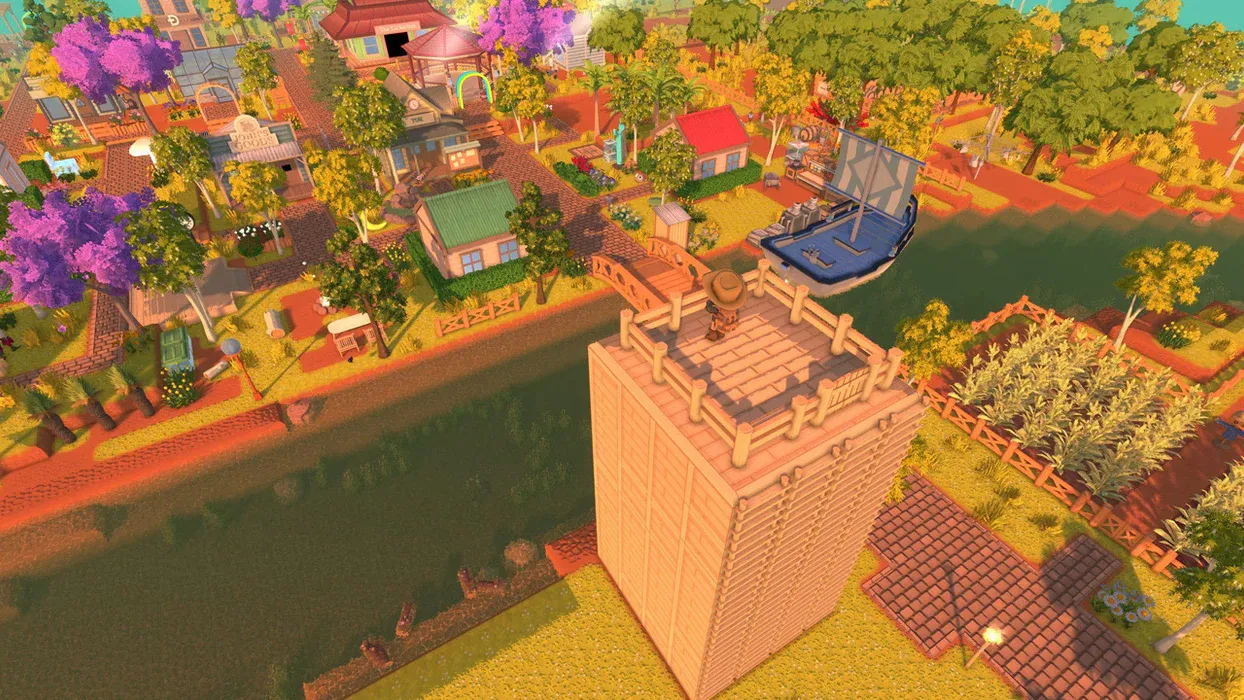
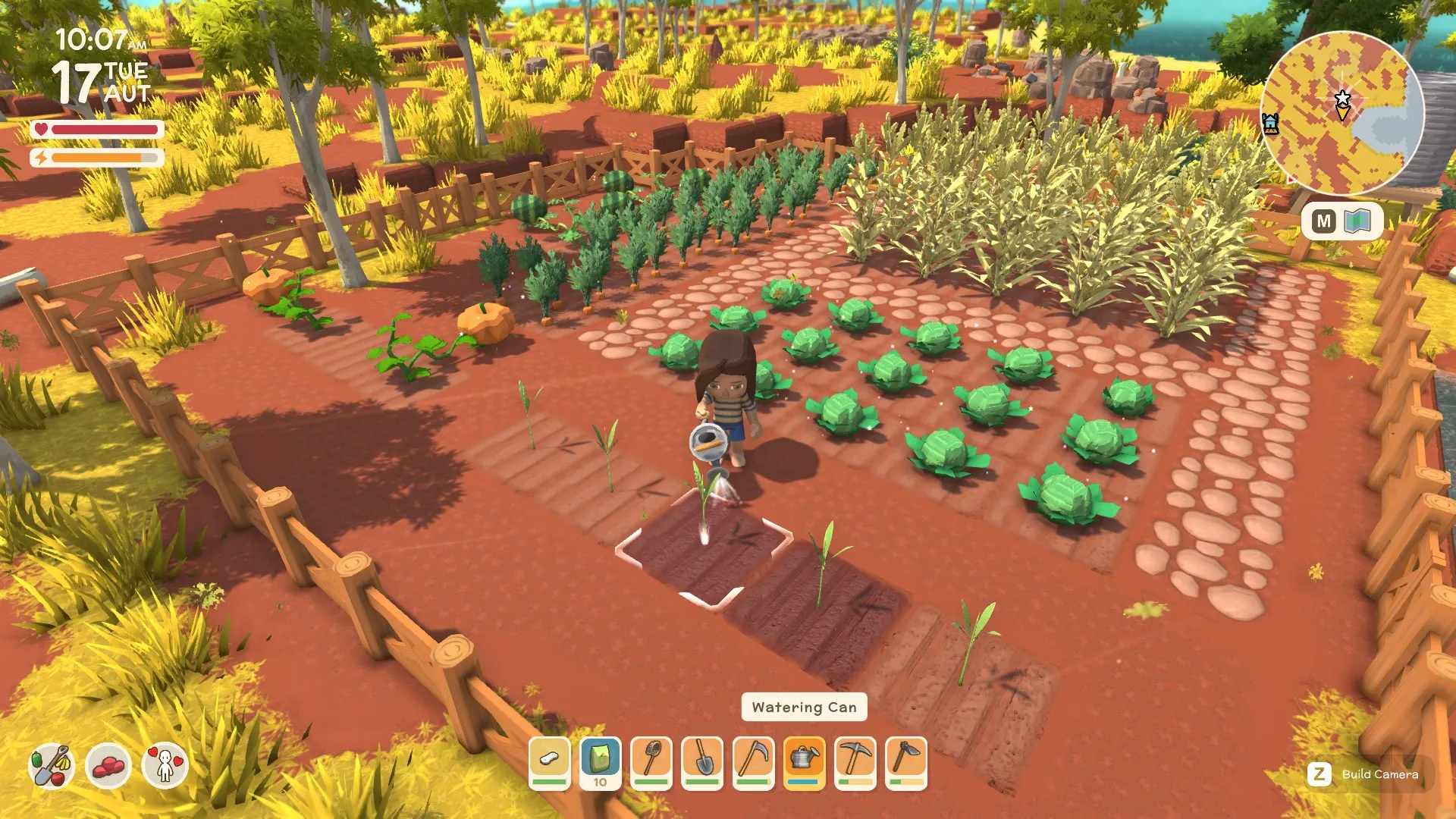
7. Develop Farming for Long-Term Wealth
Farming becomes increasingly important as the game progresses.
Unlike fishing or hunting, farming generates predictable income with relatively low risk.
Many players postpone farming because it requires initial investment, but the long-term returns are substantial.
Farming Priorities
- Build irrigation systems.
- Expand gradually.
- Focus on profitable crops.
- Maintain consistent harvest schedules.
Benefits of Farming
- Reliable income
- Food production
- Animal feed
- Crafting ingredients
A productive farm eventually becomes one of the most stable sources of wealth in the game.
8. Use Metal Detecting for Hidden Riches
Metal detecting is one of the most underrated activities in Dinkum.
Treasure hunting provides access to valuable items, historical artifacts, and significant financial rewards.
Many beginners underestimate how profitable this activity can become.
Valuable Discoveries
- Old keys
- Historical artifacts
- Rare treasures
- Museum donations
Treasure Hunting Strategy
Search systematically instead of wandering randomly. Large open areas often contain multiple buried treasures waiting to be discovered.
Consistent treasure hunting can generate impressive amounts of income over time.
9. Expand Your Town Population
A successful town requires residents.
Each permanent resident unlocks new services, products, and progression opportunities.
Many players focus entirely on personal progression while neglecting community development.
Attracting New Residents
- Complete visitor requests.
- Increase town appeal.
- Provide suitable building locations.
- Earn positive relationships.
Benefits of New Residents
Additional Shops
More merchants provide access to useful items.
Expanded Economy
New businesses increase overall opportunities.
Better Progression
Many advanced systems depend on specific residents moving into town.
Town growth should always remain a major priority.
10. Prepare for Late-Game Optimization
The late game revolves around efficiency and large-scale projects.
At this stage, players often have substantial resources, advanced equipment, and an expanding town.
The challenge shifts from survival to optimization.
Late-Game Goals
- Complete museum collections.
- Maximize town population.
- Build advanced farms.
- Collect rare vehicles.
- Optimize resource production.
- Design beautiful settlements.
Advanced Efficiency Tips
Automate Where Possible
Use systems that reduce manual labor.
Centralize Storage
Keep resources organized for faster crafting.
Create Daily Routines
Efficient schedules improve productivity significantly.
The most successful players focus on creating systems that continuously generate resources with minimal effort.
Conclusion
Dinkum offers a rewarding blend of survival, exploration, farming, hunting, and town management. While the early game focuses on gathering resources and unlocking licenses, the mid-game introduces deeper systems such as mining, farming, treasure hunting, and community development. Eventually, players transition into building a thriving settlement capable of generating wealth and supporting large-scale projects.
By prioritizing Permit Points, upgrading tools efficiently, expanding your town strategically, and developing multiple income sources, you'll progress far faster than most beginners. Whether your goal is building the perfect island paradise or becoming the richest resident in the outback, mastering these fundamentals will ensure a successful and enjoyable adventure.