






ARC Raiders presents itself as a cooperative extraction shooter set in a ruined future, but beneath its mechanical surface lies a carefully constructed emotional system centered on one moment: extraction. This article does not explain how to play ARC Raiders, nor does it offer strategies or guides. Instead, it examines one specific topic in depth—the evolving tension of evacuation over time—and how this single design focus shapes player psychology, social behavior, and narrative meaning. By following evacuation chronologically, from the moment a raid begins to the instant a player leaves (or fails to), ARC Raiders can be understood as a game about anticipation, exposure, and the fragile hope of escape.

1. Entry Into the Zone: The Seed of Future Extraction
Every raid in ARC Raiders begins not with action, but with implication. From the moment players enter the surface, extraction already exists as a future obligation. Unlike linear shooters, ARC Raiders frames the entire experience around an eventual departure.
This knowledge subtly alters player perception. Exploration, combat, and looting are never isolated acts; they are investments toward a future moment that may never arrive. The player’s mind is already split between present action and future escape.
Extraction as a Distant Shadow
Even in calm moments, the idea of evacuation looms. Every step forward increases the cost of failure later.
2. Early Movement: Safety Before Awareness
In the early phase of a raid, evacuation feels abstract. Players are lightly equipped, encounters are manageable, and the environment feels readable. At this stage, extraction is a concept, not a pressure.
This calm is deceptive. The game deliberately creates a sense of temporary safety to allow players to accumulate value—gear, information, and confidence. This accumulation is essential, because extraction tension only works if there is something to lose.
Psychological Warm-Up
Early calm prepares the player emotionally for later stress, making contrast sharper and more impactful.
3. Loot Accumulation and the Weight of Possession
As players collect resources and equipment, evacuation begins to transform from an abstract goal into a personal necessity. Items are not just tools; they become time invested.
The more a player carries, the heavier extraction feels. This weight is not physical alone, but emotional. Each additional item raises the stakes of staying longer versus leaving now.
What Loot Changes
- Increases perceived risk
- Narrows acceptable decisions
- Shifts focus from exploration to preservation
4. Mid-Raid Awareness: When Escape Enters Conscious Thought
At a certain point in every raid, a mental shift occurs. Players stop asking, “What else can we do?” and start asking, “How do we get out?”
This shift is not triggered by a timer, but by accumulated exposure. Enemy density, resource depletion, and environmental damage slowly compress the player’s options. Extraction becomes a strategic and emotional priority.
The Turning Point
This moment varies by player, but once it arrives, the raid’s tone changes permanently.
5. Environmental Hostility and Escalation
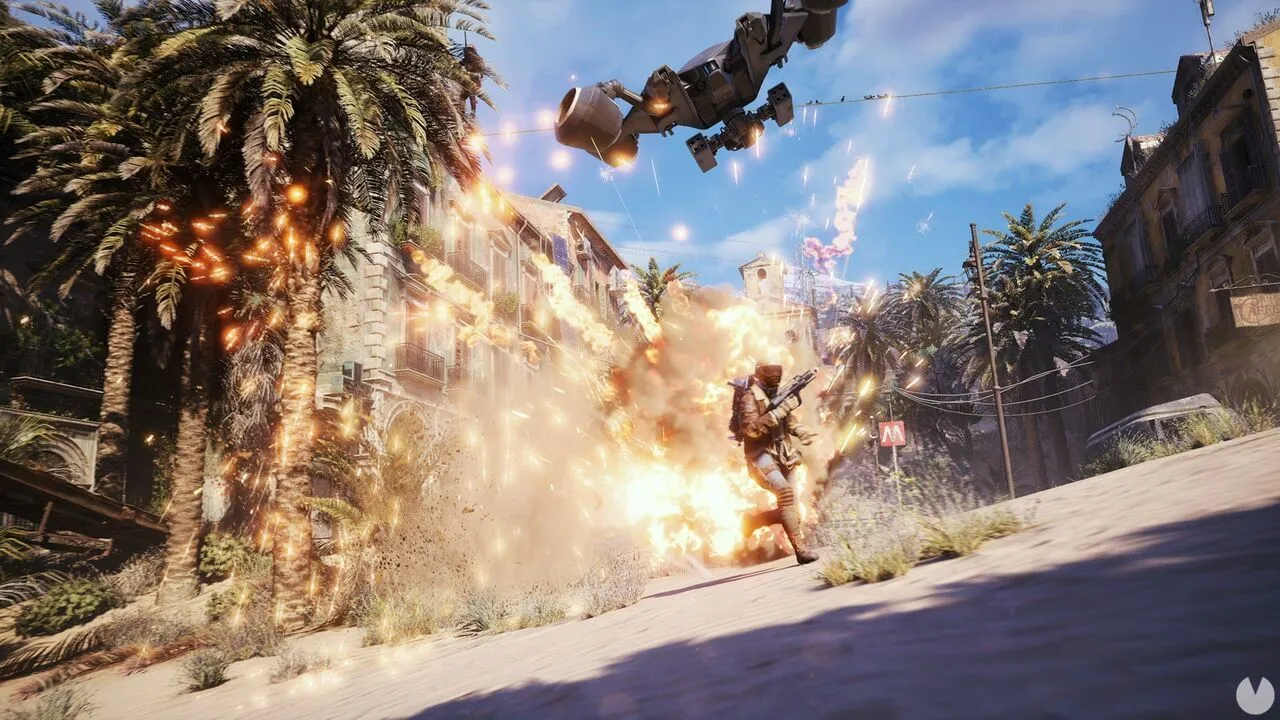
ARC Raiders intensifies evacuation tension by allowing the environment itself to become increasingly hostile. Enemy machines grow more aggressive, patrol routes intersect, and sound attracts danger.
Extraction zones are not isolated sanctuaries; they exist within the same hostile ecosystem. The closer players get to escape, the more visible and vulnerable they become.
Environmental Pressure Factors
- Noise amplification
- Open sightlines near exits
- Increased enemy convergence
6. Social Tension in Cooperative Extraction
When playing cooperatively, evacuation tension multiplies. Each player carries their own inventory, their own risk threshold, and their own emotional state.
Disagreements often emerge silently: one player wants to extract now, another wants to push further. These differences create subtle social friction that rarely needs to be spoken aloud.
Shared Escape, Unequal Stakes
Even in a team, extraction is experienced individually, making cooperation fragile near the end.
7. The Approach to the Extraction Point
The physical approach to an extraction point is where ARC Raiders’ tension design peaks. These spaces are often exposed, audibly active, and difficult to defend.
Players become hyper-aware of sound, movement, and timing. Every second spent waiting feels longer than the entire early raid combined.
Why Extraction Zones Feel Dangerous
- Limited cover
- Predictable player behavior
- High enemy attraction

8. Waiting: Time Dilated by Fear
Once the extraction process begins, time stretches unnaturally. Seconds feel heavy, and small interruptions feel catastrophic.
This waiting phase strips away agency. Players have already committed to escape; now they can only endure. This helplessness is deliberate and central to the emotional impact.
The Power of Forced Stillness
By limiting action during extraction, the game amplifies anxiety without increasing mechanical difficulty.
9. Failure at the Threshold
Few moments in ARC Raiders are as emotionally potent as dying moments before extraction. The loss is not just material—it is temporal.
The player loses not only items, but the entire narrative arc of the raid. Effort, tension, and hope collapse instantly.
Why Near-Extraction Failure Hurts
- Maximum time investment
- Highest emotional expectation
- Sudden narrative interruption
10. Successful Evacuation: Relief Without Triumph
When extraction succeeds, the emotion is not triumph, but release. The dominant feeling is relief, not victory.
ARC Raiders avoids celebratory excess. Instead, it allows players to breathe again, reinforcing the idea that survival—not domination—is the true achievement.
Escape as Resolution, Not Reward
Extraction ends tension; it does not glorify it. This restraint keeps the experience grounded and human.
Conclusion
ARC Raiders is structured around evacuation not as a mechanic, but as an emotional journey. From the moment a raid begins, extraction shapes decision-making, social dynamics, and psychological tension. By delaying relief and amplifying vulnerability near the end, the game transforms escape into its most meaningful narrative act. ARC Raiders is not about conquering the surface—it is about leaving it intact, carrying proof that you survived long enough to matter.
Summary (160 characters)