.webp)
How to Play Monster Hunter Wilds – A Beginner’s Guide to Building the Strongest Hunter
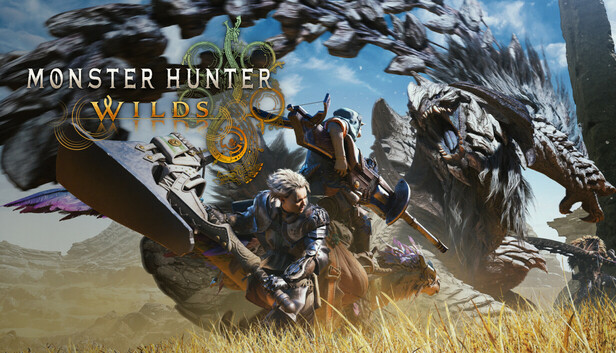
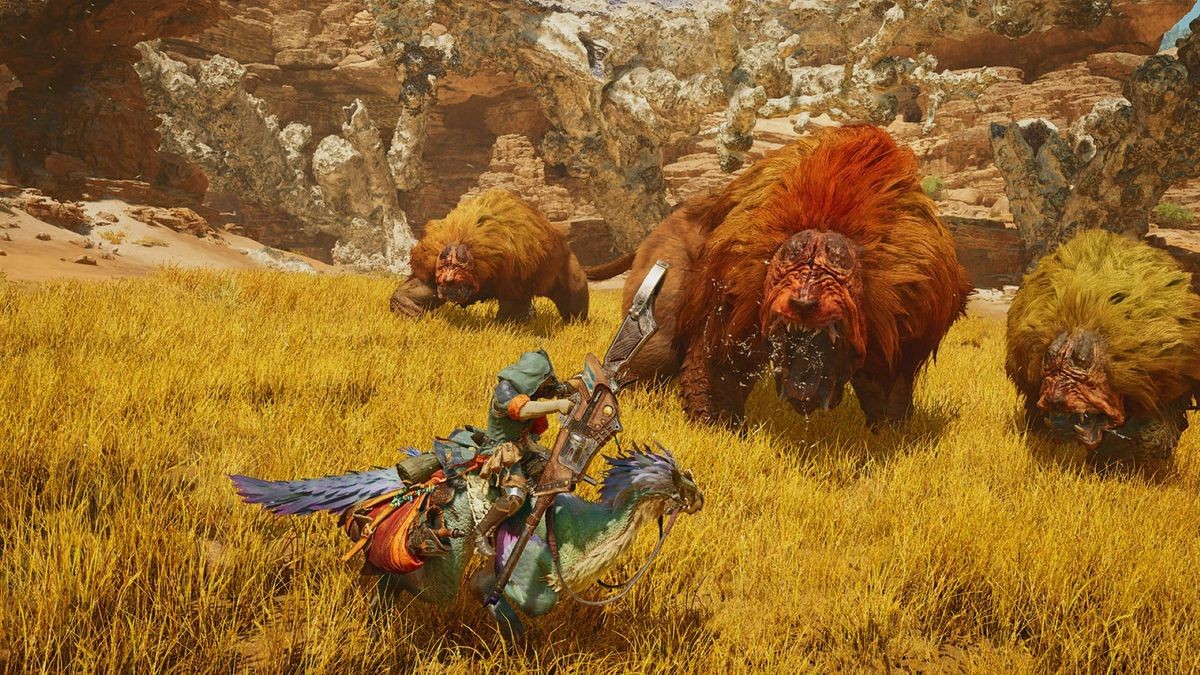
Action games have become increasingly popular because they allow players to enjoy continuous progression while mastering deep combat mechanics. Monster Hunter Wilds takes this concept further by transforming wild environments into massive battlefields where your hunter tracks, fights, and harvests giant beasts. Unlike traditional games that rush players through linear corridors, Monster Hunter Wilds features dynamic ecosystems that change in real time, making every expedition a unique survival experience.
Although the game provides accessible tutorials during the early hours, many beginners quickly hit progression walls because they upgrade randomly or misunderstand core hunting mechanics. Knowing how to manage resources, strengthen your hunter, and prepare for tougher monsters can dramatically increase your efficiency. This guide explains how to play Monster Hunter Wilds step by step, covering everything from your first hunt to advanced endgame strategies.
Understanding the Core Gameplay
The foundation of Monster Hunter Wilds is tactical combat and preparation. Once a hunt begins, your hunter tracks targets across vast biomes, utilizing environmental hazards, weapon combos, and mount assistance to defeat dangerous monsters. Defeated beasts reward materials and experience, which are then invested into gear upgrades that improve future hunts.
Unlike casual action titles that allow simple button mashing, Monster Hunter Wilds rewards careful planning. Choosing when to forge gear, which weapon upgrades to prioritize, and how to balance offense with survival determines how smoothly your progress continues.
Core Gameplay Loop
- Track monsters across dynamic environments.
- Collect materials and monster parts.
- Upgrade your weapons and armor.
- Unlock tougher hunting quests.
- Repeat the cycle with higher efficiency.
Preparing for Your First Expedition
After launching Monster Hunter Wilds, complete your character customization and access the base camp setup menu. Instead of sending you into combat unprepared, the game introduces basic movement, mounting controls, and pouch management. This initial phase lets you familiarize yourself with camp amenities before taking on major threats.
During your first session, avoid rushing straight into main story target areas. Spend several minutes observing how small wildlife behaves, how quickly items replenish, and how your weapon handles before engaging large monsters.
Beginner Tips
- Keep your pouch stocked: Monster Hunter Wilds rewards preparation. Leaving camp fully stocked with potions and ration items provides better survival rates than hunting empty-handed.
- Avoid unnecessary carting: Many new players faint early by fighting aggressively while low on health. In most cases, patience leads to safer long-term growth.
Learning the User Interface
The interface displays critical data to keep you informed during intense battles. Important information appears through combat icons, stamina bars, sharpening indicators, and map markers. Spending time understanding each UI element early will save mistakes later.
Your main attention should focus on hunter health, weapon sharpness, current pouch inventory, and monster status indicators. These key elements influence nearly every strategic decision throughout a hunt.
Important UI Elements
- Hunter Level
- Health Counter
- Damage Statistics
- Upgrade Menu
- Item Shortcuts
- Quest Progress
Upgrading Your Gear Efficiently
Monster materials are your most valuable resource during the early game. Instead of crafting every available armor piece, focus on improvements that provide the highest increase in attack power or survivability. Balanced stat growth usually performs better than building random pieces too early.
If target monsters begin surviving significantly longer than before, it often indicates your weapon damage output has fallen behind quest scaling. Likewise, frequent faints suggest investing in defensive armor upgrades before continuing offensive improvements.
Upgrade Priority
- Base Damage
- Attack Speed
- Critical Chance
- Maximum Health
- Armor Defense
- Special Skills
Understanding Skills and Loadouts
As your hunter crafts higher tier equipment, new armor skills become available. These skills provide passive boosts, elemental resistances, or utility bonuses that increase overall hunting efficiency. Understanding each skill's purpose helps maximize long-term progression.
Passive attack skills generally offer high value because they improve performance continuously. Specialized elemental skills become more useful during difficult quests where specific resistances help defeat stronger apex monsters.
Recommended Early Skills
- Attack Power Boost
- Critical Damage Bonus
- Health Multiplier
- Stamina Regeneration
Gathering Materials Faster
Crafting materials determine how quickly your hunter improves. Efficient gathering depends on collecting node resources consistently rather than running blindly to monster locations immediately. Sometimes spending extra time gathering plant and ore nodes produces better long-term inventory reserves.
Monitor your average crafting speed. If items run low noticeably fast, gathering before pushing further into main quests usually results in faster overall progression.
Material Gathering Tips
- Keep gathering continuous.
- Upgrade gear regularly.
- Avoid spending rare materials immediately after every hunt.
- Save for larger upgrades when possible.
- Take advantage of passive expedition bonuses.
Progressing Through Difficult Quests
Every Monster Hunter game eventually introduces apex threats that slow progression dramatically. Rather than viewing these wall monsters as failures, treat them as signals to optimize your equipment set. Small improvements across multiple defense stats often outperform one expensive weapon upgrade.
Experimenting with different weapon types can reveal surprisingly effective strategies. Some players prefer high mobility weapons like Dual Blades, while others achieve better results through Great Sword bursts or shield defense.
When Progress Slows
- Review Your Build: Check whether your damage output, armor defense, and passive skills remain balanced before attempting harder monster quests.
Common Beginner Mistakes
One of the biggest mistakes new players make is spending every rare monster gem immediately. Saving materials for complete armor sets often provides better overall value than crafting random individual pieces.
Another frequent error involves ignoring item radial menus. Because consumable access saves critical seconds during battle, organized loadouts become increasingly valuable during long hunting sessions.
Mistakes to Avoid
- Ignoring equipment statistics.
- Restarting quests too frequently.
- Overspending materials early.
- Focusing only on damage.
- Forgetting item loadouts.
Advanced Hunting Strategies
After mastering the basics, players can begin optimizing longer hunting sessions. Participating in multi-monster expeditions allows rare materials to accumulate steadily. Checking target vulnerabilities periodically instead of attacking blindly often produces better efficiency.
Experienced hunters also monitor trap and flash bomb timing carefully. Utilizing crowd control items together during monster rage states creates smoother combat flow and reduces periods of weak damage performance.
Efficiency Checklist
- Maintain balanced gear upgrades.
- Prioritize passive skill bonuses.
- Keep combat positioning uninterrupted.
- Review monster weakness data regularly.
- Adapt strategies when monster rage difficulty increases.
Long-Term Progression and Endgame Preparation
As your hunter reaches high rank quests, progression naturally slows. Endgame success depends on efficient resource management rather than simply increasing hunt frequency. Understanding monster movement patterns, choosing optimal armor builds, and maintaining consistent item farming become increasingly important.
Remember that Monster Hunter Wilds rewards patience. Every upgrade contributes toward stronger future performance, and small improvements accumulate into significant long-term growth. By following efficient strategies instead of rushing forward, players can enjoy steady progression throughout the entire game.
Conclusion
Monster Hunter Wilds combines deep action combat with a rich ecosystem that makes progression feel continuous without overwhelming your play sessions. While the weapon mechanics appear complex initially, mastering resource management, gear upgrades, skill selection, and tactical preparation is essential for consistent success.
Whether you are completely new to the franchise or an experienced hunter looking to optimize your strategy, following the techniques in this guide will help you advance faster, gather rare materials, and build a stronger hunter capable of overcoming increasingly difficult monster challenges. Stay patient, upgrade wisely, and let your hunter continue mastering the wild.